📅 Today in Islamic History
Tuesday, 18 Ramadan 1447 AH
Events according to the Hijri calendar, noting differences in sources where necessary

18 Ramadan
1 AH AH / 622 CE م
Death of Abdullah ibn Umm Maktum the Blind
Medina
Abdullah ibn Umm Maktum was one of the close companions. The verse "He frowned and turned away" was revealed concerning him. He was a muezzin for the Prophet ﷺ along with Bilal ibn Rabah.
Note: Sources agree that he was blind and one of the Prophet's ﷺ muezzins.
18 Ramadan
21 AH AH / 642 CE م
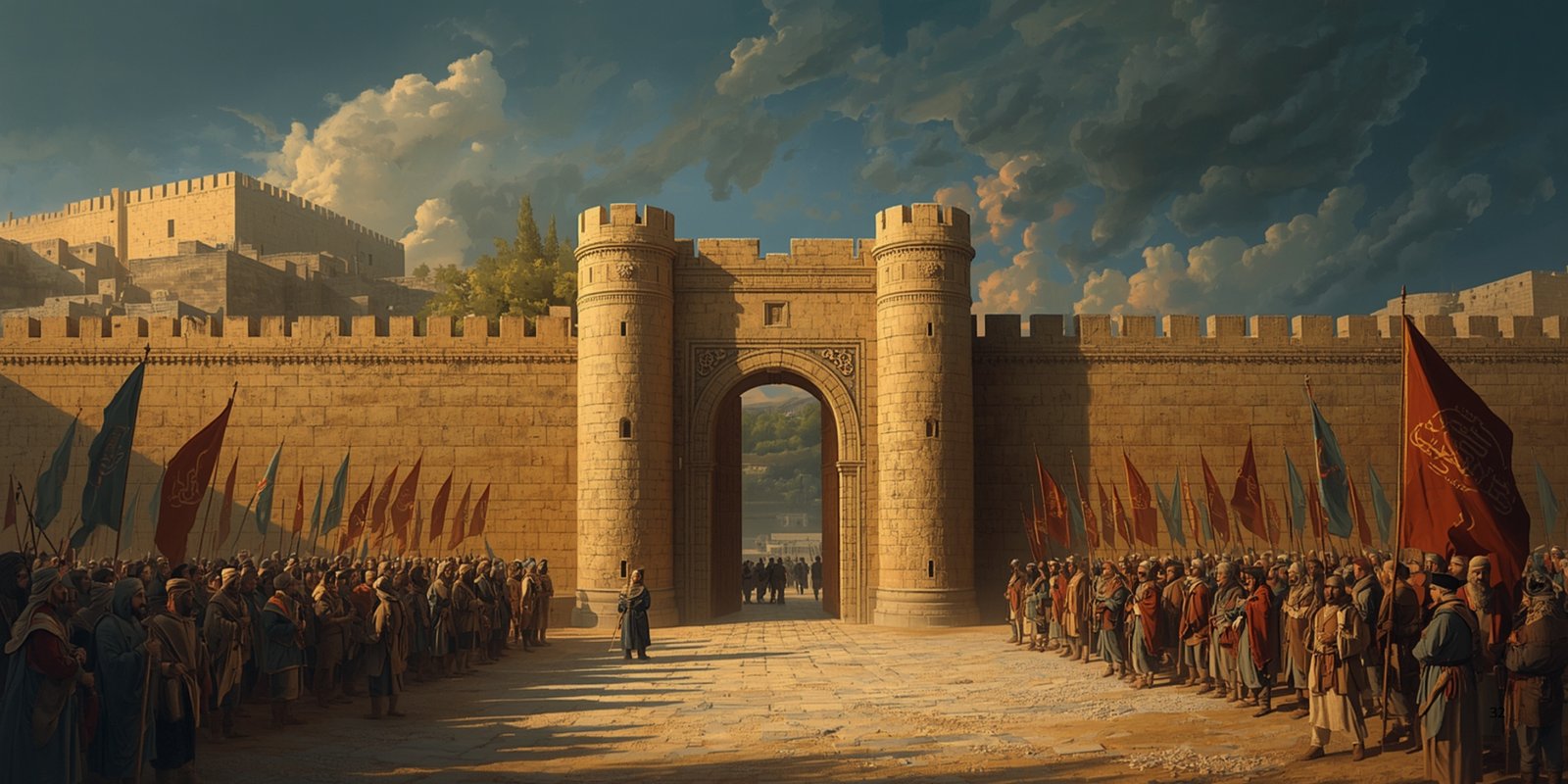
Conquest of the City of Edessa (Al-Ruha)
Euphrates Region
The city of Edessa was conquered during the caliphate of Umar ibn al-Khattab by Iyad ibn Ghanam. It was one of the most important cities of the Euphrates region.
Note: Sources mention that the conquest of Edessa was without fighting after negotiations.
18 Ramadan
384 AH AH / 994 CE م
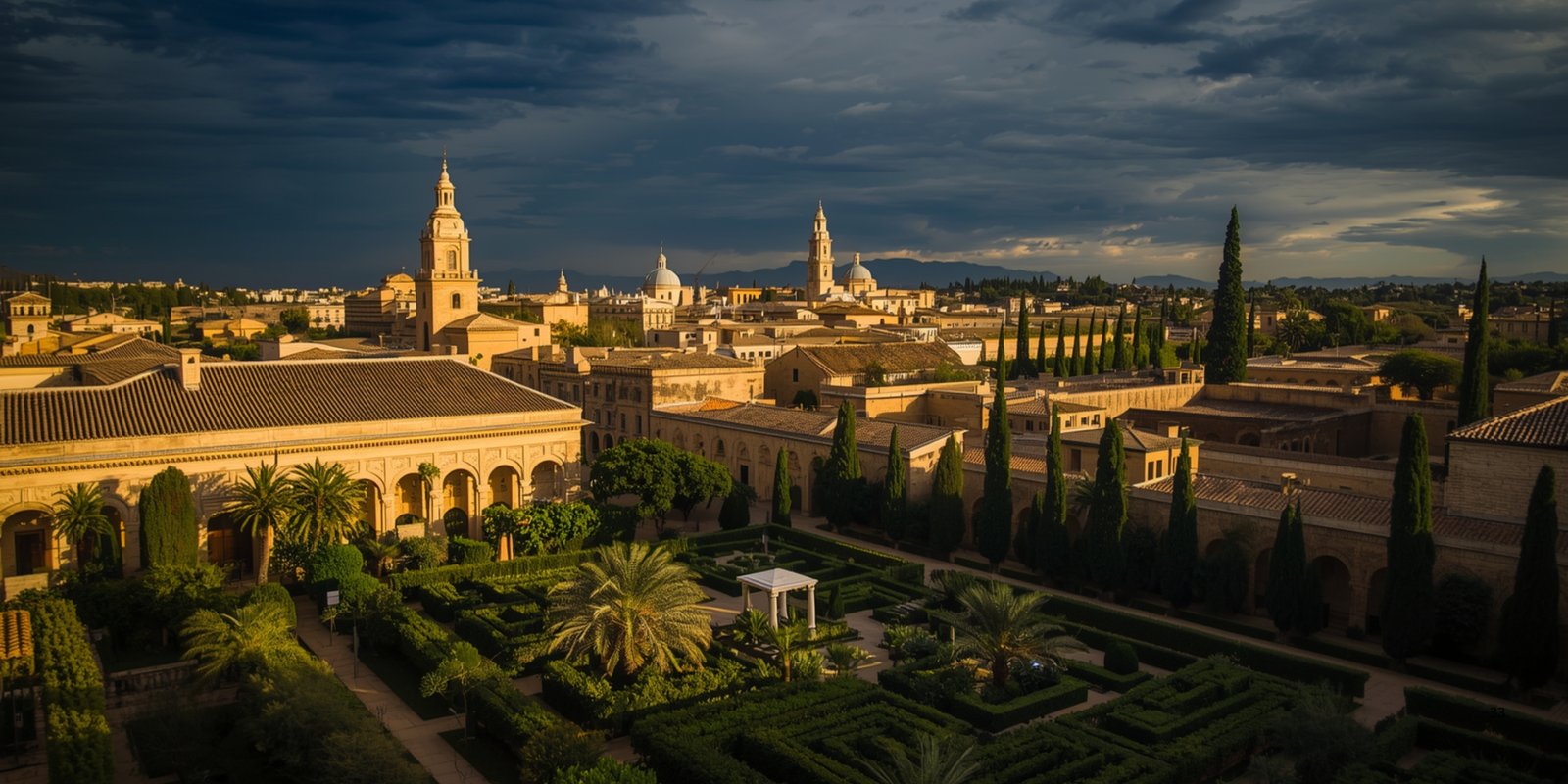
Birth of Ibn Hazm al-Andalusi
Cordoba - Andalusia
Imam Ali ibn Hazm al-Zahiri was born, author of Al-Muhalla and Al-Ihkam fi Usul al-Ahkam, one of the most prominent scholars of Andalusia.
Note: Ibn Hazm is considered one of the leading scholars of fiqh, hadith, and history, and he authored more than 400 works.
Historical events that occurred on this day